


අත්යවශ්ය EV දැනුම
අත්යවශ්ය දැනුම, ඉංජිනේරු අවබෝධ සහ ප්රායෝගික මාර්ගෝපදේශ සොයා බලන්න, එමඟින් ඔබට සෑම ගමනකම උපරිම ප්රයෝජනය ලබා ගැනීමට උපකාරී වේ.
Why Do EV Tires Wear Differently?
EV tire wear can differ because electric vehicles combine factors such as vehicle weight and rapid torque delivery with different braking and driving characteristics. However, EV tires do not automatically wear faster: tire wear also depends on tire design, vehicle setup, driving style, inflation pressure, wheel alignment, road conditions and maintenance.
What causes different tire wear on an EV?
Two characteristics are particularly important.
Vehicle weight
Battery packs can make some EVs heavier than comparable combustion-engine vehicles. This can increase the forces acting on the tire's contact patch during acceleration, braking and cornering.
Torque delivery
Electric motors can deliver torque quickly. Frequent hard acceleration can therefore increase stress on the tread.
But EV tire wear should not be oversimplified.
Actual tread life is influenced by numerous variables, including:
Tire construction → Compound → Vehicle weight → Torque → Tire pressure → Alignment → Driving style → Road conditions
This is why saying simply that “EV tires wear faster” is not always accurate.
How does tire engineering help?
Tire manufacturers can address these demands through several areas of engineering.
Giti uses technologies including compound development, structural optimisation and tire footprint optimisation to balance durability with other requirements such as efficiency, grip and comfort.
The objective is not simply to make the tire harder. Increasing durability has to be balanced against characteristics such as wet grip, braking, rolling resistance and ride quality.
Giti OE Example: BMW iX1 & BMW iX2
A useful example is Giti's development of the GitiSynergy H3 for the all-electric BMW iX1 and BMW iX2.
The tire was developed specifically to meet BMW Group requirements including low rolling resistance while maintaining handling characteristics. Giti reports that the OE tire also delivers extended wear life, reduced noise and an aerodynamic sidewall design.
The dedicated fitment is:
GitiSynergy H3
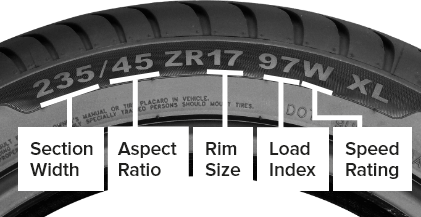
245/40 R20 99Y XL
BMW iX1 / BMW iX2
BMW * homologated
Key Takeaway
EV tire wear is influenced by the interaction between vehicle weight, torque, tire construction and driving conditions. Well-engineered EV tires are designed to manage these forces while balancing durability, efficiency, grip and comfort.

What makes a tyre suitable for the additional weight of an EV?